
2026-2028 ALL Advisory Board

Sarah Aroeste
Inspired by her roots from N. Macedonia and Greece, Sarah Aroeste tours the globe presenting traditional and original Ladino songs with her unique Balkan, pop and jazz blend. Since 2003, Aroeste has recorded eight Ladino albums and has won numerous awards for her original work, among them, finalist in Israel’s Festiladino competition (2008), the Sephardic Prize at the International Jewish Music Festival in Amsterdam (2014), and the Young Leadership Award from the Sephardic Jewish Brotherhood of America (2021). Additionally, Aroeste is the founding co-director of Savor, a program that unites Sephardic song and cuisine in multi-sensory platforms. Aroeste has also published numerous essays about Sephardic cultural preservation and writes bilingual (Ladino/English), Sephardic-themed books for children, most recently Bavajadas! That’s Just Silly (2025). Saraharoeste.com
Gloria Ascher
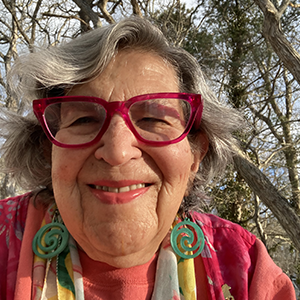
Born in the Bronx, New York, Gloria J. Ascher grew up surrounded by the magical sounds of Spanyol (Ladino, Judeo-Spanish), the language of her parents, who came from Smyrna/Izmir, Turkey, of her many uncles and aunts, and of other neighborhood Sefaradim. She attended the Bronx High Schol of Science, Hunter College, the University of Bonn (Fulbright Grant), and Yale University. As a reward for finishing a paper in German at Yale, she would treat herself to hearing a song in Ladino from Gloria Levy’s album Sephardic Folk Songs. As Associate Professor (now Emerita) of German, Scandinavian and Judaic Studies and founding Co-director of Judaic Studies at Tufts University, Gloria introduced courses in Sephardic Tradition (including Ladino proverbs) and Jewish (including Sephardic) Women. She also composed songs in Ladino and wrote articles and papers related to the language and culture. Thanks to the forceful encouragement of Matilda Koén-Sarano, dbm, Gloria realized her secret dream: beginning with an introductory course in January 2000, she taught Ladino Language and Culture on all levels at Tufts — the first regularly offered, substantially enrolled Ladino courses at a U.S. college or university. Gloria prepared English editions of Matilda Koén-Sarano’s Judeo-Spanish textbooks for beginners and advanced students and has written and presented on Sephardic subjects (often in Ladino) as well as on Old Norse and German literature (in German). Most recently, she published her uncle Alfed Ascher’s diary in the original Ladino and her English translation: The Diario: The Daring Escape of Two Sephardic Jews from Turkey to America During World War I (Boulder, Colorado: Albion-Andalus, 2023; first event in the ALL Authors series!). Gloria sings and writes songs and poems in Ladino and teaches the language independently. Honored, grateful, and excited, Gloria is looking forward to further advancing her special language and culture by serving on the Advisory Board of the American Ladino League.
Ruth Behar
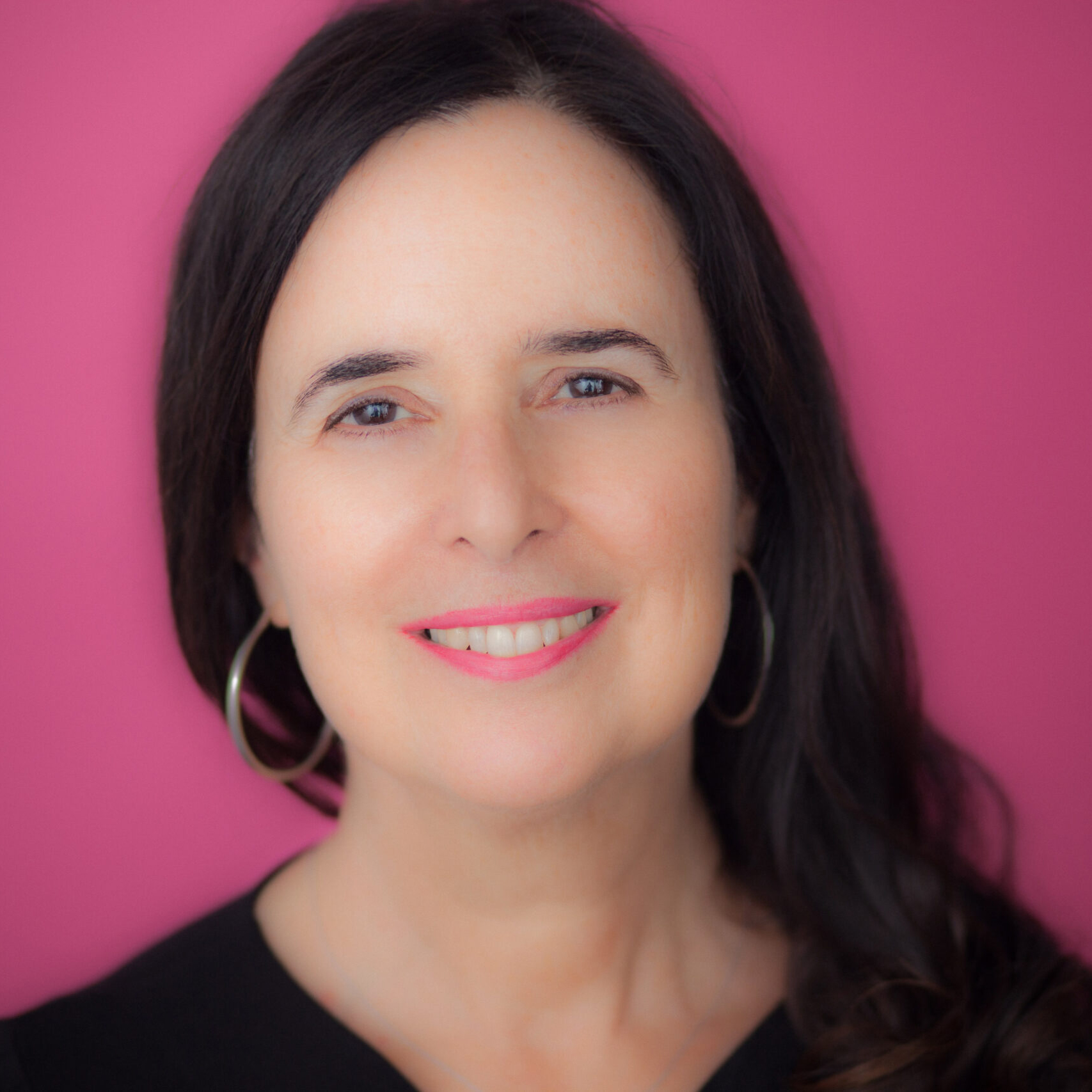
Ruth Behar is the James W. Fernandez Distinguished University Professor of Anthropology at the University of Michigan and an elected member of the American Academy of Arts and Sciences. She was born in Havana and has dedicated her scholarship to the Spanish-speaking world, carrying out research in Spain, Mexico, and Cuba and publishing path-breaking books like The Vulnerable Observer, An Island Called Home, and Traveling Heavy. The first Latina to win the MacArthur Foundation’s “Genius” Award, Behar has also received a Guggenheim Fellowship. Beyond anthropology, Behar has reached a broad, non-academic audience through her film, poetry, personal essays, young adult fiction, and picture books. Her latest book is a middle-grade novel, Across So Many Seas, a Sephardic story spanning five hundred years that interweaves Ladino songs. For more information about her work, visit www.ruthbehar.com and linktr.ee/ruthbehar.
Rina Benmayor
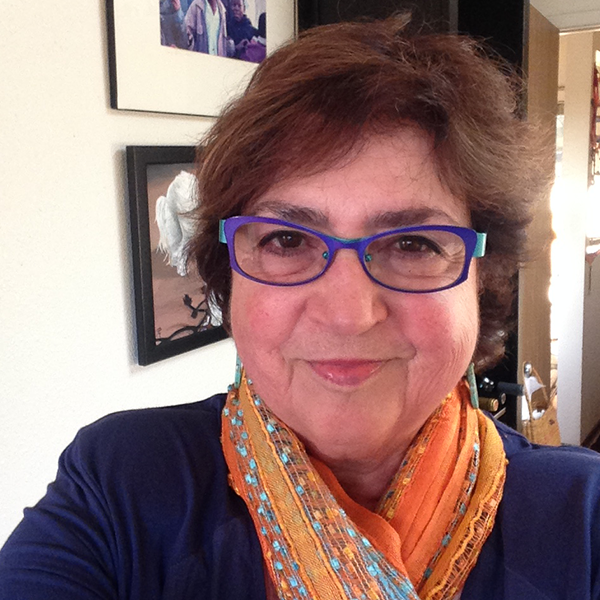
Rina Benmayor is Professor Emerita of oral history and literature at California State University Monterey Bay. She authored Romances judeo-españoles de Oriente: nueva recolección (1979), a collection and study of Sephardic romansas in Los Angeles and Seattle. With Dalia Kandiyoti, she has conducted an extensive oral history project on the Spanish and Portuguese citizenship laws and coedited Reparative Citizenship for Sephardi Descendants: Returning to the Jewish Past in Spain and Portugal (Berghahn Books 2023). She participated in the collective Ladino translation of “Las Romansas de la Ratona Savia,” a collection of Spanish ballads for children written by Paloma Díaz Mas (2021). Rina is also writing a memoir about her Greek Sephardic family.
Daisy (Sadaka) Braverman
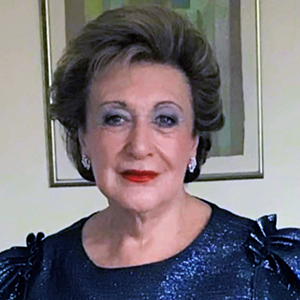
Daisy Braverman is a lecturer in Judeo-Spanish at the University of Pennsylvania. She holds a Ph.D. from Columbia University and has research interests that include Judeo-Spanish, Language Contact, General Linguistics, and Turkish Language and Literature. She also edited and revised David Altabé’s Forsyth Street (in Judeo-Spanish) and has appeared as an actress in several other Judeo-Spanish plays. She has sung the Judeo-Spanish repertoire both in the United States and in Turkey, at the Quincentennial celebration of the arrival of Sephardim in the then-Ottoman Empire. Most recently she co-edited V. Sadacca’s poems in Judeo-Spanish and their English translations and a manual of Judeo-Spanish.
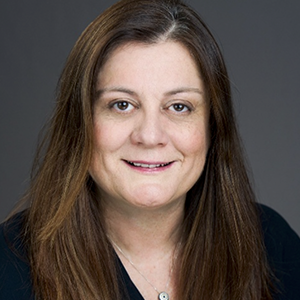
Lisa Capelouto
Lisa Capelouto was born in Zimbabwe and raised in Israel and South Africa. The granddaughter of four Rhodesli grandparents, she grew up hearing Ladino spoken by family members and enjoying the foods, traditions, and stories that shaped Sephardic life across generations. A Jewish educator and philanthropy professional, Lisa has spent her career working to strengthen Jewish communities and support Jewish learning and engagement. Her professional and personal interests are rooted in a belief that Jewish heritage is best preserved when it is lived, shared, and passed on to future generations. Now living in New York with her family, Lisa is proud of her Sephardic roots and is committed to helping preserve the Ladino language and the unique history and traditions of Sephardic Jewry.
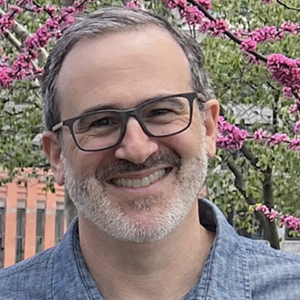
Adam Hasson
Adam Hasson is a Seattle Sephardic Jewish community member with family roots in Rhodes, Turkey, and Egypt, and a strong interest in preserving Sephardic culture and the Ladino language. Adam serves on the board of the Seattle Sephardic Network, an organization that seeks to strengthen community ties and support Sephardic heritage. He is also an active participant in Los Muevos Ladineros, a multigenerational monthly gathering focused on Ladino language and cultural exchange. He studies Ladino through the Oxford School of Languages and enjoys engaging in conversation with fellow learners and speakers. He is particularly interested in promoting Ladino and understanding how the Holocaust impacted Sephardic communities and the continuity of Ladino across generations.
Professionally, Adam is Director of Real Estate at the Samis Foundation, where he has spent over 30 years managing a portfolio of properties that supports Jewish education and community initiatives in the United States and Israel.
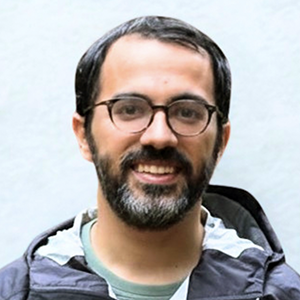
Jacob Ceki Hazan
Jacob Ceki Hazan was born and raised in İzmir, Turkey, within the city’s Sephardic Jewish community. Like many in his generation, he heard Ladino from earlier generations but did not grow up learning it. In recent years, he has developed a growing interest in the language. He previously worked in several European Union-funded youth and community development programs. He spent a year in Stockholm at Paideia – The European Institute for Jewish Studies in Sweden and is now completing an MA in Jewish Studies at Lund University. His research explores the İzmir Jewish community and how its heritage is preserved and presented. He runs avierto.net, a Turkish-language Jewish Studies platform, and izmirjcc.org, the website of the İzmir Jewish Community. He has lived in several European countries and is now based in Baltimore, Maryland. For more information about his work, visit cekihazan.com.
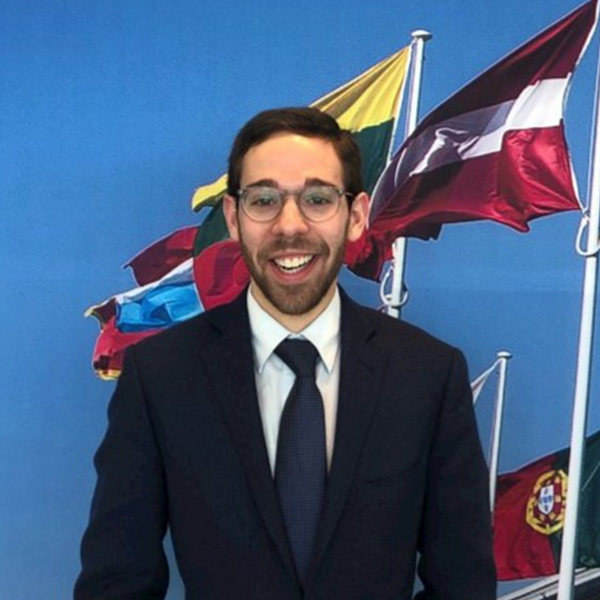
Ethan Marcus
Ethan Marcus is the Managing Director of the Sephardic Jewish Brotherhood of America, the national umbrella organization for the Ladino-speaking Sephardic community in the United States. In this capacity, he has rapidly grown the Sephardic community’s membership base and developed innovative programs to engage a new generation of young Sephardic Jews around the world. He previously served as the Brotherhood’s Director of Communications and the Director of Community Development for the Seattle Sephardic Community. From 2019 to 2020, Ethan was awarded a Fulbright Scholarship to study in Athens, Greece, where he conducted an independent research project on the unique liturgical customs of the Romaniote Jews of Greece. He is a graduate of Princeton University’s School of Public and International Affairs, and his family originates from the Sephardic communities of Veria in modern day Greece and Izmir in modern day Turkey.
Mersi muncho to our previous board members:
Al Maimon
Josh Lambert